
 |
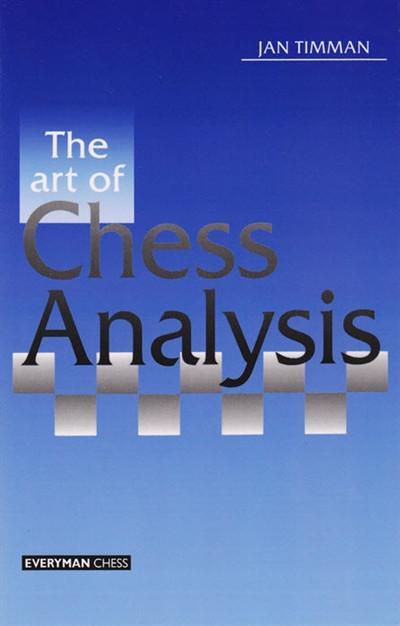
| Art of Chess Analysis - Timman |
A Deep Dive into Timman's "Art of Chess Analysis"
Jan Timman's "Art of Chess Analysis" is a renowned chess book that delves into the intricacies of game analysis at the grandmaster level. This review will explore the book's strengths, weaknesses, and overall value for chess players of all levels. Timman, a world-class player himself, provides insights that are both profound and practical, making this book a valuable resource for anyone seeking to improve their analytical skills.
Table of Contents:
- Introduction
- About the Author
- Key Features and Content Overview
- Depth and Quality of Analysis
- Who Should Read This Book?
- Frequently Asked Questions
About the Author
Dutch Grandmaster Jan Timman has been a prominent figure in the chess world since the mid-1970s. His impressive tournament record includes victories at prestigious events such as Linares and Wijk aan Zee. Timman's deep understanding of chess, combined with his analytical prowess, makes him an ideal guide for players looking to improve their game. This book showcases not only his tactical vision, but also his commitment to uncovering the truth behind every move.
Key Features and Content Overview
"Art of Chess Analysis" consists of carefully selected games, each critically dissected and thoroughly annotated by Timman. The book's specifications are as follows:
- 240 Pages
- Paperback
- Publisher: Everyman
- Published: August, 1997
The book focuses on providing definitive valuations of top-class chess struggles, going beyond simple annotations to reveal the underlying truth of each game. Enhance your strategic vision and tactical skills with insights from a Grandmaster! Click here to explore effective chess strategies.
The material has been carefully selected to help advanced players further their understanding of opening theory and middlegame strategy. It's ideal for any player dedicated to improvement. See incredible chess offers for training!
Depth and Quality of Analysis
Timman's Analytical Approach
Timman, following the teachings of Botvinnik, trained himself to become one of the finest analysts in the world. His annotations are known for their depth and quality. He strives for perfection, seeking to discover the truth behind each game.
As quoted from the book: "All Grandmasters are able to devote themselves body and soul to actually playing a game of chess, but few indeed are able to do the same when analyzing the games of their fellow Grandmasters." Timman is an exception, dedicating himself fully to analyzing each game with meticulous detail.
Critical Dissection and Justification
Each game is critically dissected, and any claim of a mistake is backed up by rigorous analysis. Timman doesn't simply point out errors; he provides the reasoning behind them, offering a deeper understanding of the game's dynamics. For players wanting to seriously improve their analysis, this book is invaluable.
Purchase your copy of "Art of Chess Analysis" at Chess House.
Who Should Read This Book?
This book is highly recommended for chess players of intermediate to advanced levels who are serious about improving their analytical skills. It's also a great resource for chess coaches and anyone interested in gaining a deeper understanding of grandmaster-level chess. If you are interested in middlegame strategy then this is a book you should definitley consider!
Looking for more resources? Explore this chess course to further enhance your skills.
Searching for the Book
You can often find used copies of "Art of Chess Analysis" on online marketplaces. Check eBay.com and eBay.co.uk for available listings. Discover amazing chess deals now! Another great course is available at this link.
Frequently Asked Questions
Is this book suitable for beginners?
No, "Art of Chess Analysis" is best suited for intermediate to advanced players. Beginners may find the level of analysis too complex.
What specific skills will I improve by reading this book?
You will improve your analytical skills, strategic thinking, tactical awareness, and overall understanding of chess.
Does the book cover openings, middlegames, and endgames?
While the book focuses primarily on middlegame analysis, it also touches upon opening theory and endgame principles within the context of the analyzed games.
Are the games in the book annotated in algebraic or descriptive notation?
The games are annotated in algebraic notation, which is the standard notation used in modern chess literature.
Is this book still relevant despite being published in 1997?
Yes, the fundamental principles of chess analysis remain timeless. While opening theory has evolved since 1997, the analytical techniques and strategic concepts presented in the book are still highly valuable. See new opportunities for chess improvement with these chess products!
Thank you for reading this detailed review of "Art of Chess Analysis" by Jan Timman. We hope you found it informative and helpful in deciding whether this book is right for you. Feel free to leave your comments and share this review with other chess enthusiasts!



0 Comments